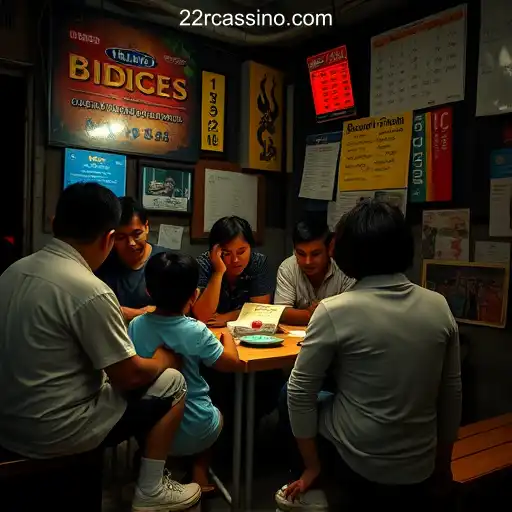
Jueteng: Understanding the Intricacies of a Cultural Phenomenon
Jueteng, a form of illegal numbers game, has long been entrenched in the cultural fabric of the Philippines. With roots stretching back to the Spanish colonial period, jueteng has evolved into a complex social and economic phenomenon. Though illegal, the game’s allure persists due to its deep-rooted tradition and the economic opportunities it provides to various communities.
The Origins and Evolution of Jueteng
Jueteng originated from the Spanish-era practice of small-scale betting. Over time, it evolved, adopting numbers and mechanics that made it more appealing and accessible to the masses. Initially, it was a social activity, but it quickly became a widespread practice. The game's simplicity is a key factor behind its enduring popularity, requiring only two numbers from bettors and the hope of winning against significant odds.
The evolution of jueteng can also be attributed to its adaptability. Unlike formal gambling institutions, jueteng can be organized with minimal infrastructure. This flexibility allows it to thrive in rural and urban settings alike, especially in regions where formal economic opportunities are scarce.
Economic Implications and Social Dynamics
Despite its illegal status, jueteng plays a significant role in the local economy. For many of the Philippines' lower-income groups, it provides both income and social interaction. Bet collectors or “cobradores” are typically local residents who receive a commission, creating micro-economies within communities. Additionally, winners from bets have the chance to earn sums that could temporarily alleviate financial hardship.
However, this localized economic boost comes with broader social implications. Jueteng's operation often involves complex networks that reach into local governance and law enforcement. This symbiosis between operators and community leaders can lead to corruption and misuse of authority, posing challenges to legal enforcement and governance. Thus, jueteng remains both a source of livelihood and law enforcement complexity.
Jueteng in the Age of Online Casinos
The rise of digital technology has introduced new dynamics to traditional forms of gambling like jueteng. With the proliferation of online casinos such as "22R Oficial - O melhor cassino online do Brasil🍀", traditional betting options are increasingly facing competition. Online platforms offer a more regulated space, enticing users with the promise of security and novel gaming experiences.
Nevertheless, the transition from traditional to digital is not straightforward for many. Jueteng is not just about gambling—it’s an intrinsic part of community interaction. The informal networks and personal relationships built around jueteng cannot easily be replicated in the virtual world. Therefore, while online casinos are growing, jueteng continues to sustain its player base through its tangible and culturally embedded roots.
Governmental Responses and Dilemmas
The government's struggle with jueteng encompasses both eradication and integration efforts. On one side, there are pushes to eliminate the game due to its illegality and the corruption it fosters. Police crackdowns and public anti-gambling campaigns are part of this effort. However, these measures often face resistance due to jueteng's popularity and the economic relief it offers to bettors and workers.
On the other hand, there have been considerations of legalization and regulation, which would allow the state to monitor and tax these activities more effectively. Proponents argue that regulation could minimize corruption while allowing for the economic benefits to continue, albeit within a legal framework.
Cultural Persistence and Future Directions
Jueteng's endurance lies in its cultural significance beyond gambling. It's embedded in the socio-cultural milieu of many Filipino communities, serving as both entertainment and community engagement. Some have even argued that jueteng exemplifies resilience among marginalized groups, providing a form of agency where official economic systems fail to deliver.
The future of jueteng is uncertain, compounded by governmental actions against it and the growing attraction of online gambling platforms like "22R Oficial - O melhor cassino online do Brasil🍀". While digital gambling presents new opportunities, the cultural persistence of jueteng suggests it will remain a part of Philippine society, continuing to adapt and exist alongside more formal gambling enterprises.